


If you are planning a 4wd hire australia trip, you already know the payoff. Australia has those next level beaches, iconic tracks, and outback routes that make you feel like you are living inside a travel movie.
But here is the part that catches people off guard. The most expensive holiday disasters are rarely caused by one “bad luck” moment. They are usually a chain of small contract and preparedness mistakes, stacked together until you are staring at a bill for thousands of dollars.
Below are 10 costly mistakes to avoid, plus exactly what to do instead so your trip stays exciting for the right reasons.
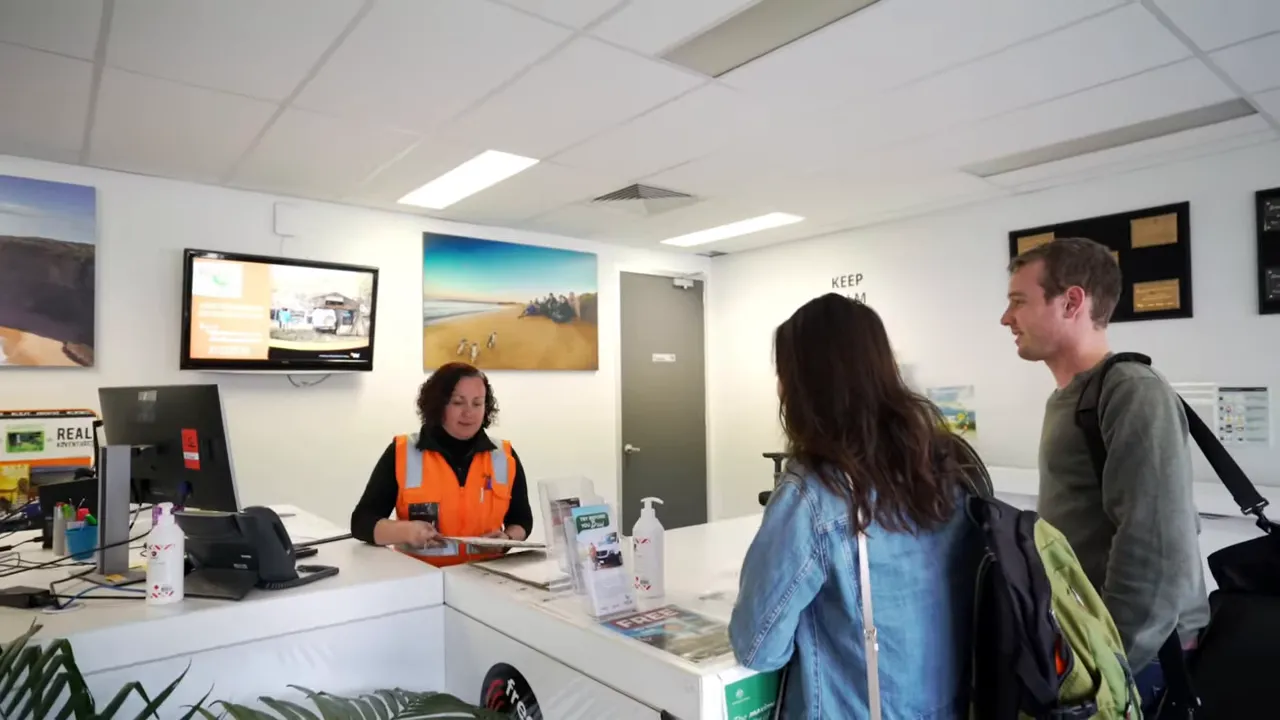
The 10 most expensive mistakes when you rent a 4WD in Australia
Mistake 1: Thinking your insurance covers everything
Most tourists assume that because they paid for insurance at the counter, they are covered for “everything that could happen.” In Australia, that assumption can be very expensive.
Rental companies bury a “prohibited use clause” in the contract. It lists specific surfaces and situations where your coverage is completely void. Not reduced. Not shared. Gone.
On that list, you will often find things like:
- Beach driving
- Fire trails
- Off road tracks
- Some unsealed roads
- The exact places you are hiring a 4WD to access
The real kicker: if you breach the clause and something goes wrong, you may not just lose your excess. You can also be held liable for the vehicle’s full replacement value, which can be $60,000 and up.
What to do: before you start the engine and before you leave the counter, ask one question:
Which roads and surfaces are not allowed under my contract?
Get the answer in writing, then match it to your itinerary.
Mistake 2: Unlisted drivers (even if they only drive for a short time)
It is simple, but people still skip it.
If anyone else will drive the vehicle, they must be listed as an authorized driver at pickup. That means your partner, friend, parents, whoever will be behind the wheel at any point.
Why it matters: if an unlisted driver has an incident, the prohibited-use style clauses can kick in automatically. The result is usually losing insurance protection.
What to do: add every potential driver at the rental counter. In many cases, it costs nothing, even if the person only drives briefly for the entire trip.

Mistake 3: Your license is valid, but not acceptable
Many visitors can use their foreign driving license to rent and drive in Australia. That part is often true.
But here is the detail most travelers miss: your driving license must be written in English.
If it is in languages such as Japanese, Korean, French, Chinese, and similar, you may need an international driving permit or a certified English translation.
If your license is considered invalid, you can lose insurance, and some rental operators will not even hand over the vehicle.
What to do: sort your license and documentation before you arrive in Australia, not on the day you land.
Mistake 4: Road permits for iconic destinations that can fail you at the gate
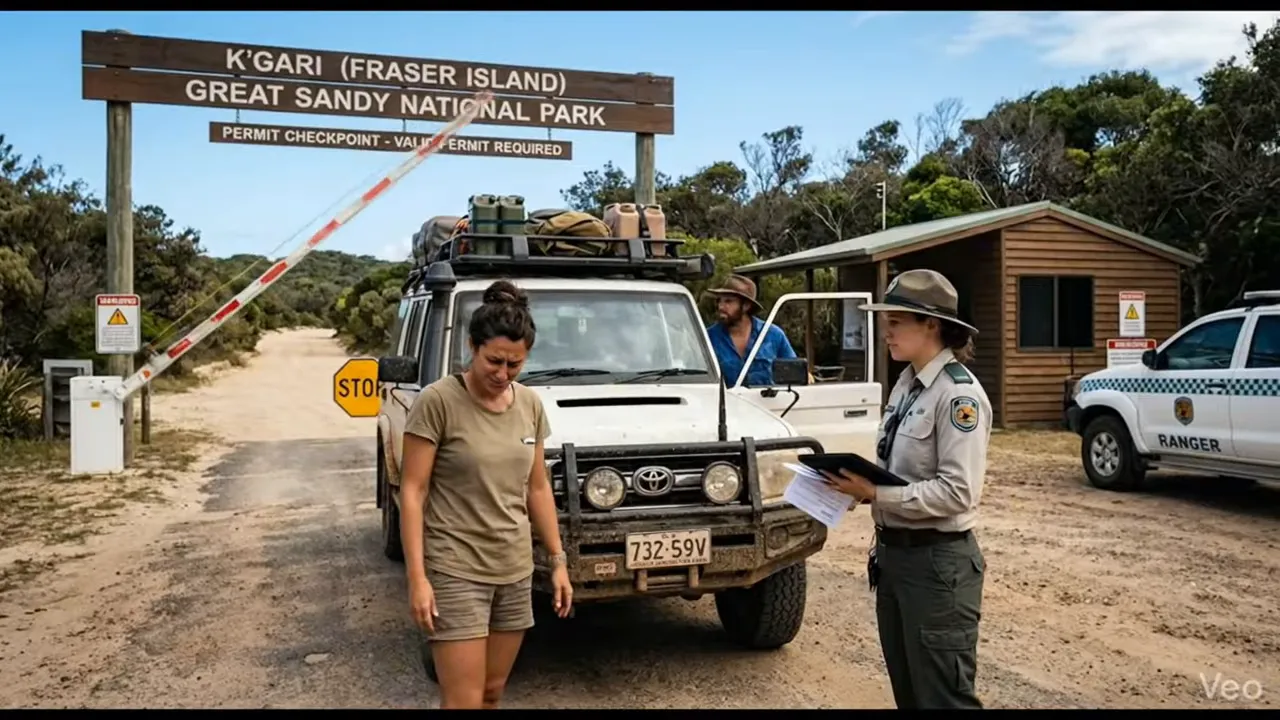
Australia’s best 4WD experiences often require permits. Fraser Island is the classic example, and it is a great one to learn from because the rules are strict.
If you plan to drive on Fraser Island, you need a vehicle access permit. It must:
- Be in your name
- Use the rental vehicle’s registration number
And here is where travelers get locked out: you generally cannot fix this at the ferry terminal or once you are already on the beach. You need to arrange it online days before arrival.
The same pattern applies in other remote regions, including southern Australia’s desert parks. If you are planning the Simpson Desert, you typically need a desert park pass before you pull up at the gate.
What to do: when booking your permits, make sure you include the rental details correctly. Build it into your booking process so the permit and the registration number match from day one.
Mistake 5: Seasonal road closures and “it’ll be fine” planning
Australia’s weather is not gentle, especially once you move away from the coast and into remote regions.
Road closures can change quickly, and you can end up with a route that worked yesterday but is impossible today.
Examples to keep in mind:
- In the Alpine areas of Victoria, closures often run roughly from June through the end of October
- In Northern Queensland and the Top End, a single wet season storm can make an outback track impossible overnight
What to do: before finalizing a remote route, check the road closure calendar for the region you are driving in. Plan a plan B too, preferably involving sealed roads if conditions go sideways.
Mistake 6: Getting stuck because you did not air down
This is probably the most common “first day on the beach” disaster.
You get the permit, the sun is out, and you drive into the sand confidently. Then within a few hundred meters, you stop moving. You are bogged down.
Why? Most people forgot to air down.
A lot of new 4WD drivers think 4WD just means “traction solves everything.” On soft sand, traction starts with tire pressure.
Typical road tire pressure might be around 32 to 36 PSI. On beaches, that is too high. The tires are too hard and dig into the sand instead of floating.
For beach driving, you usually want around 15 to 18 PSI, depending on your vehicle and conditions. Lower pressure spreads the tire contact area, helps the tire float, and improves your ability to move.
And another common mistake: people remember to air down but forget to reinflate before reaching highway speeds. Driving fast on underinflated tires can seriously damage them.
What to do: use a tyre gauge and deflator and follow safe deflation rules for the conditions. Then reinflate before you drive at speed. Also note: tire damage is often not covered by rental insurance.
Mistake 7: No recovery gear, because “it is a rental”
Even with the right tire pressure, soft sand and remote tracks can still catch you out. Sometimes it is the terrain. Sometimes it is weather. Sometimes it is mechanical or human error.
Here is the issue: many tourists carry absolutely nothing in the vehicle that helps them recover.
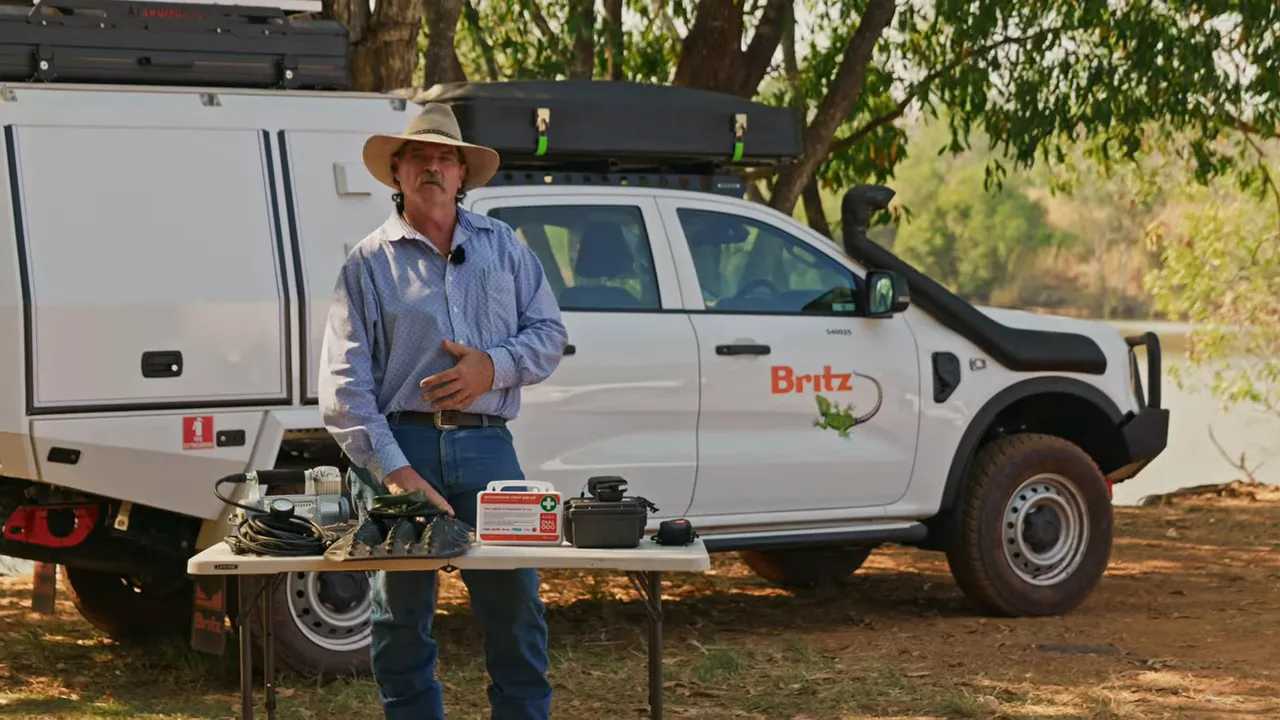
For trips beyond sealed roads, the minimum recovery kit should include:
- Tyre gauge and deflator
- Portable compressor
- Shovel
- Traction boards
In most situations, the shovel and traction boards can make the difference between “stuck forever” and “we are back on our way.”
What to do: ask your rental company at pickup if recovery gear is included. If it is not, hire a separate set before heading out. Do not rely on improvisation. When you are stuck in sand or mud, improvisation gets expensive fast.
Mistake 8: Not checking road conditions (because you assumed it would be the same)
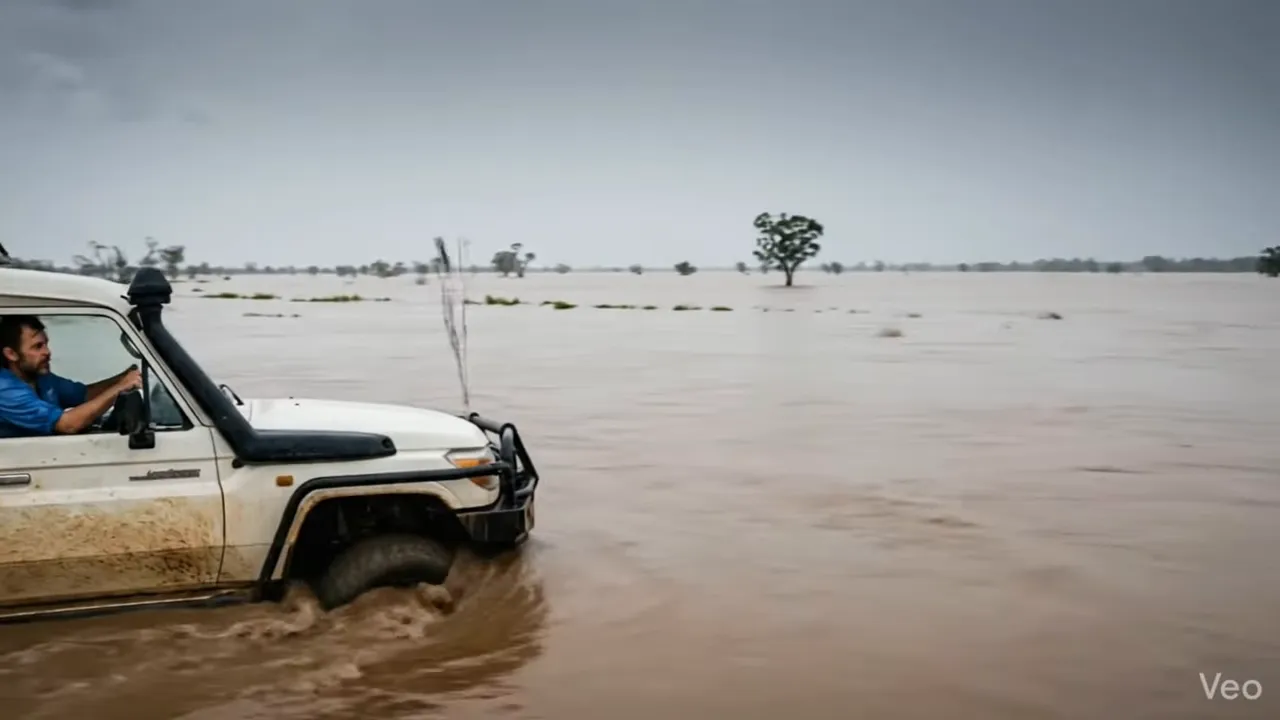
Outback roads can change quickly. A track can be passable one day and flooded or washed out the next.
This is especially relevant during the wet season in areas like northern Queensland and the Top End.
Some state road agencies provide live updates, sometimes daily. The key is not just “checking once.” It is checking in the morning before you set off, when conditions are most likely to have updated.
What to do:
- Check conditions daily, ideally as a morning habit
- If a road is rated as dangerous or closed, believe it
- Never drive into flood waters, even if they look shallow
Mistake 9: Assuming your phone will work when you are miles away
In cities, mobile coverage can be excellent. In remote Australia, it can disappear completely.
On national park roads, beach tracks, and remote routes, you might have no signal for hours, sometimes for days.
So if something goes wrong, like a breakdown or an injury, your phone becomes a very expensive paperweight.
What to do: before going remote, consider a safety device such as:
- A personal locator beacon (PLB)
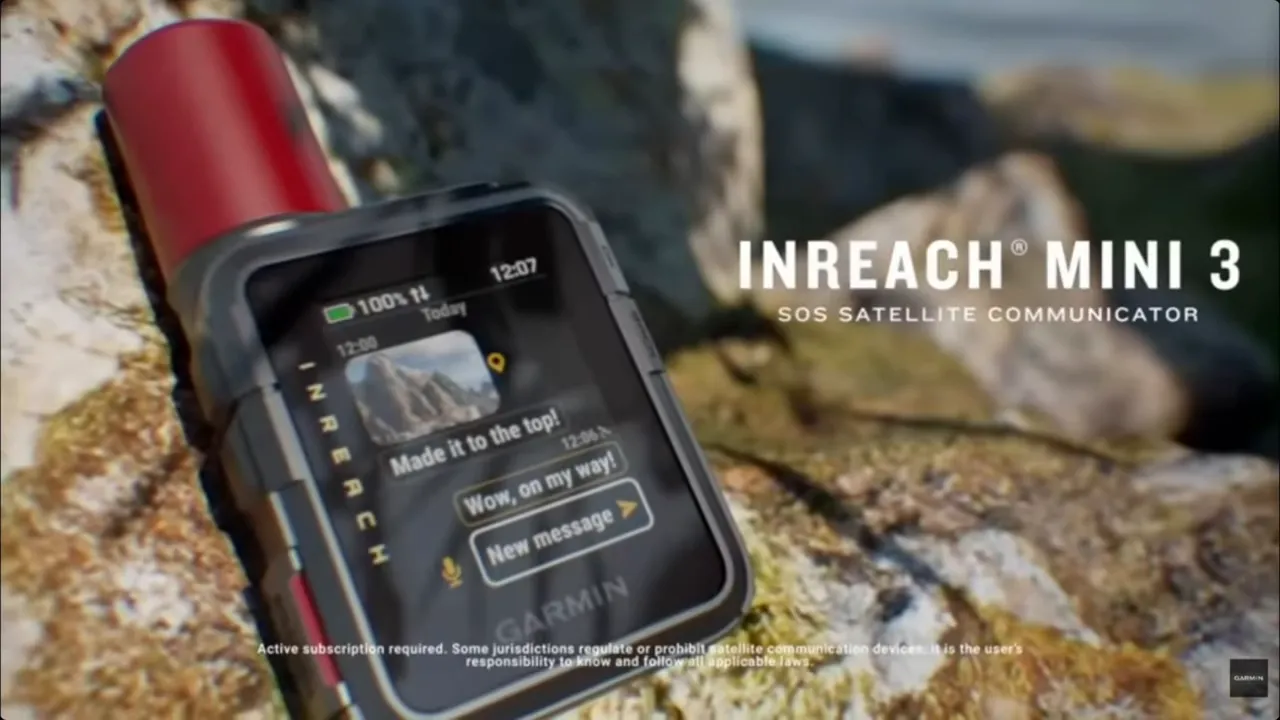
- A satellite communicator (for example, a Garmin inReach type device)
A PLB triggers an immediate rescue response. A satellite message lets you communicate and can support check-ins from anywhere on Earth.
Relative to the overall cost of a 4WD trip, this is a small addition that can make the difference between inconvenience and an emergency response that happens fast.
Mistake 10: When multiple mistakes stack into a trip disaster
This final mistake is different. It is not about one thing you forgot. It is about how disasters happen when mistakes compound.
The most expensive, disruptive holiday outcomes often follow this pattern:
- No recovery gear
- Wrong tire pressure
- No communication plan
- No safe emergency contact process
The travelers who avoid huge bills are the ones who have a plan before they need one.
Here are three things to prepare up front:
- Your rental company emergency number (it is in your contract)
- Park or road service details for every region you are traveling through
- If you are in genuine danger: activate your PLB or call 000
Emergency services in Australia are excellent, but they still need to know where you are. A PLB can provide your exact location automatically.
Quick checklist for planning 4wd hire australia (do this before you go)
- Insurance check: ask which surfaces are prohibited and get it in writing
- Drivers: list every authorized driver at pickup
- License: confirm it is acceptable and in English, or bring an international permit/translation
- Permits: book and match permits to your rental vehicle registration number
- Closures: check seasonal road closure calendars and build a plan B
- Tire pressure: plan to air down to around 15 to 18 PSI for beaches, then reinflate for highway driving
- Recovery gear: ensure you have a gauge/deflator, compressor, shovel, and traction boards
- Road conditions: check every morning, and do not enter closed or dangerous roads
- Remote safety: plan for no phone signal with a PLB or satellite communicator
- Emergency plan: know rental emergency contacts and route/park service numbers
Final thoughts: the best 4WD trips are the ones you can safely finish
A 4wd hire australia adventure gives you access to some of the most extraordinary places on Earth. The goal is not to scare yourself out of the experience. It is to protect the trip so one bad moment does not turn into a financial and logistical nightmare.
Most of these mistakes are avoidable with a few questions at the counter, a bit of permit prep, and a realistic readiness plan for remote conditions.
Plan ahead, air down properly, carry the right gear, and communicate like you are already in the outback. That is when the real magic of Australia comes through.
Leave a Reply