


Where to Go, What to Avoid, and Two Ready-Made Itineraries
Planning travel during the australia summer season? Smart — but many people make the same mistake: they assume “summer” means the same weather across the whole country. Australia is roughly the size of the United States, so summer can be anything from mild hiking weather to full-on monsoon or brutal desert heat. Knowing which regions shine between December and March and which you should avoid will make the trip far more enjoyable and far less stressful.

Quick overview: why the australia summer season is not one-size-fits-all
The phrase australia summer season sounds straightforward, but geography and climate turn it into a puzzle. The continent includes Mediterranean-style coasts, temperate islands, tropical monsoon zones, and inland deserts. During the australia summer season, conditions vary dramatically:
- Tasmania — comfortable, often 20 to 25 degrees Celsius; ideal for hiking.
- Southern coasts — warm, dry days perfect for beaches, wine regions, and wildlife.
- Northern tropics — summer is wet season: daily downpours, high humidity and cyclones.
- Outback — extremely hot, often 40 to 48 degrees Celsius, making outdoor activities risky.
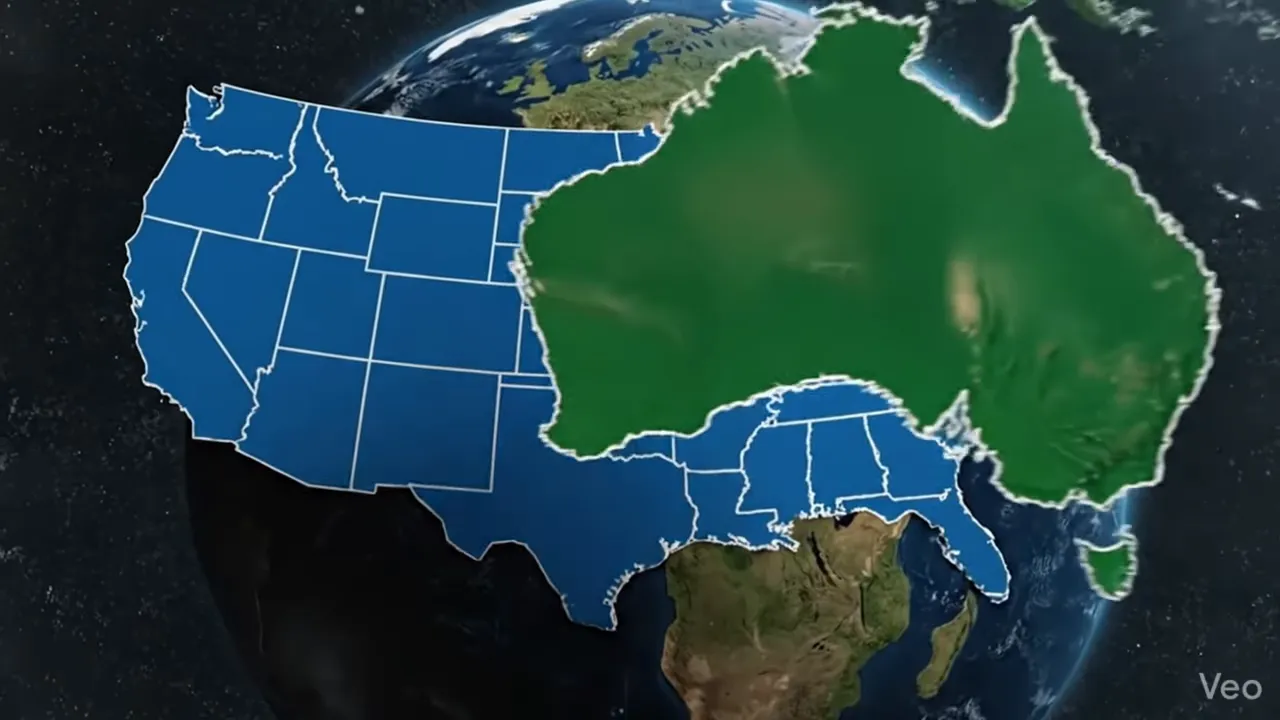
So when people talk about the australia summer season, the key is not whether it is “summer” but which summer you mean. Plan with the regional climate in mind and you will be rewarded with perfect days rather than a suitcase full of regret.
Regions to avoid during the australia summer season (December to March)
There are spectacular places that are simply not great during the australia summer season. Skip these between December and March and save them for their ideal seasons.
1. Northern tropics and the Top End
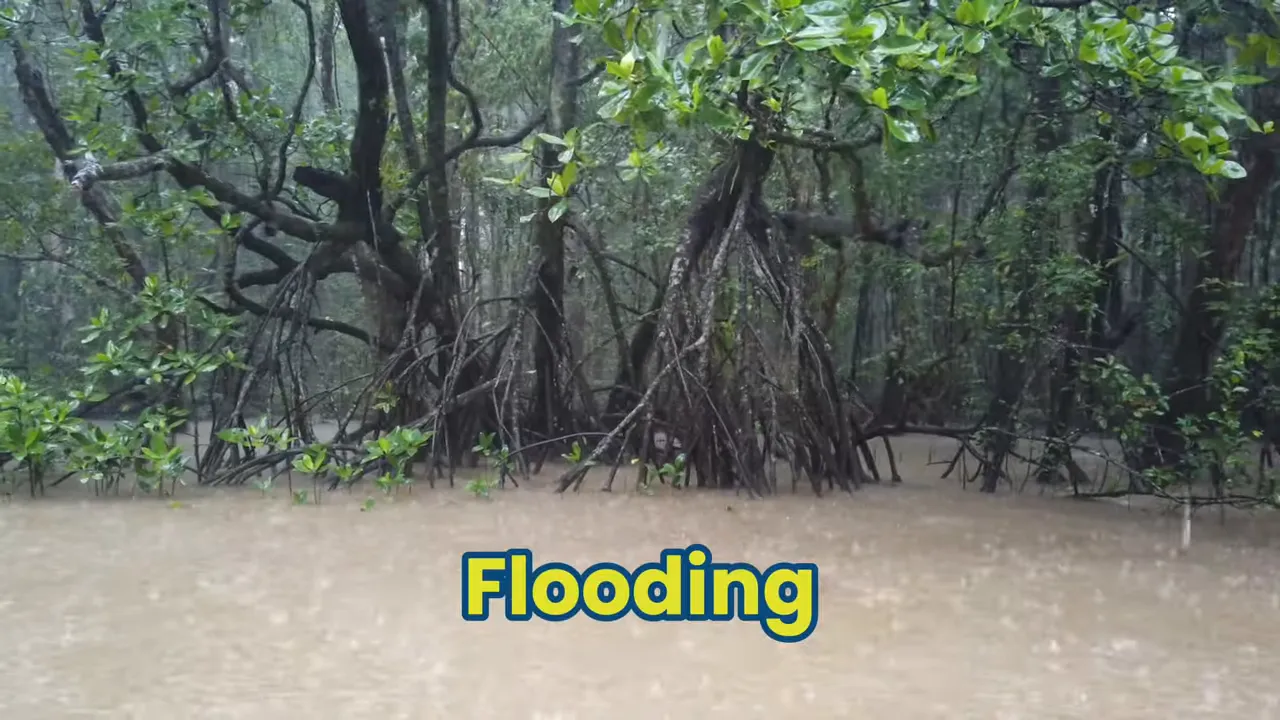
This covers places like the Great Barrier Reef gateway towns, Darwin, and the Kimberley. During the australia summer season these areas enter their wet season. Expect daily heavy rain, soaring humidity, flooded roads, closed attractions, and even cyclones. Visibility for reef trips is often poor and many tours shut down. For a better experience, visit these places in the dry months — roughly May to September.
2. The Outback and central Australia
Places like Uluru (Ayers Rock), Alice Springs and large parts north of Perth in Western Australia become brutally hot in the australia summer season. Temperatures commonly hit 40 to 48 degrees Celsius. Hiking and spending long stretches outdoors are not only uncomfortable but potentially dangerous. Add the army of flies and the sun intensity, and you have a recipe for a miserable visit.
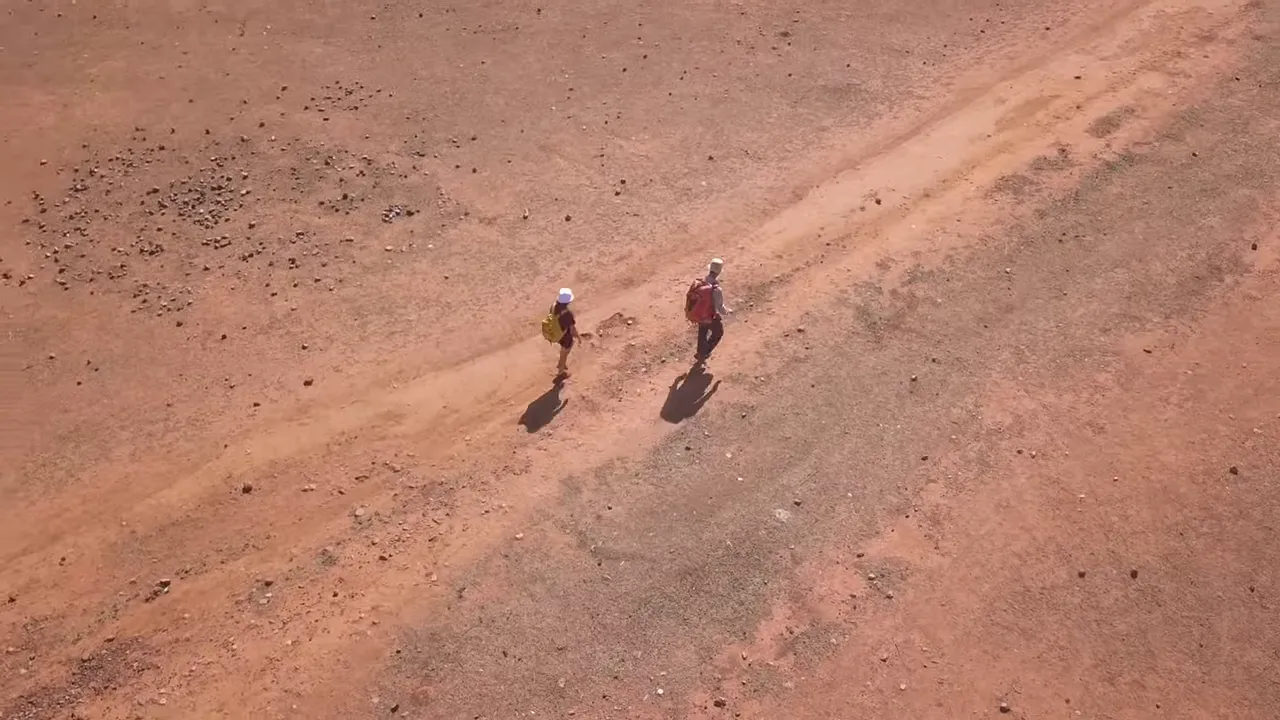
Both the northern tropics and the Outback have excellent seasons too — they are simply the opposite months. If you want to see the Top End or the Red Centre at their best, plan for their dry winter months, not the australia summer season.
Where to go during the australia summer season: the southern sweet spots
When parts of Australia are inhospitable, others blossom. The trick is to focus your australia summer season travel on the southern third of the country — south of Sydney on the east coast and south of Perth on the west coast. These regions enjoy a Mediterranean climate: warm, dry days and long daylight hours.
Top picks for the australia summer season
- Tasmania — cool and fresh, ideal for multi-day hikes, wildlife, and coastal scenery.
- Great Ocean Road and Melbourne — dramatic coastal drives, cultural city life in Melbourne, and comfortable summer weather for exploring.
- South Australia — Adelaide, Barossa Valley, Kangaroo Island: wine, wildlife, and pristine coasts.
- Southwest Western Australia — Perth, Margaret River, and the south coast: excellent beaches, wineries, and fewer crowds than more famous coasts.
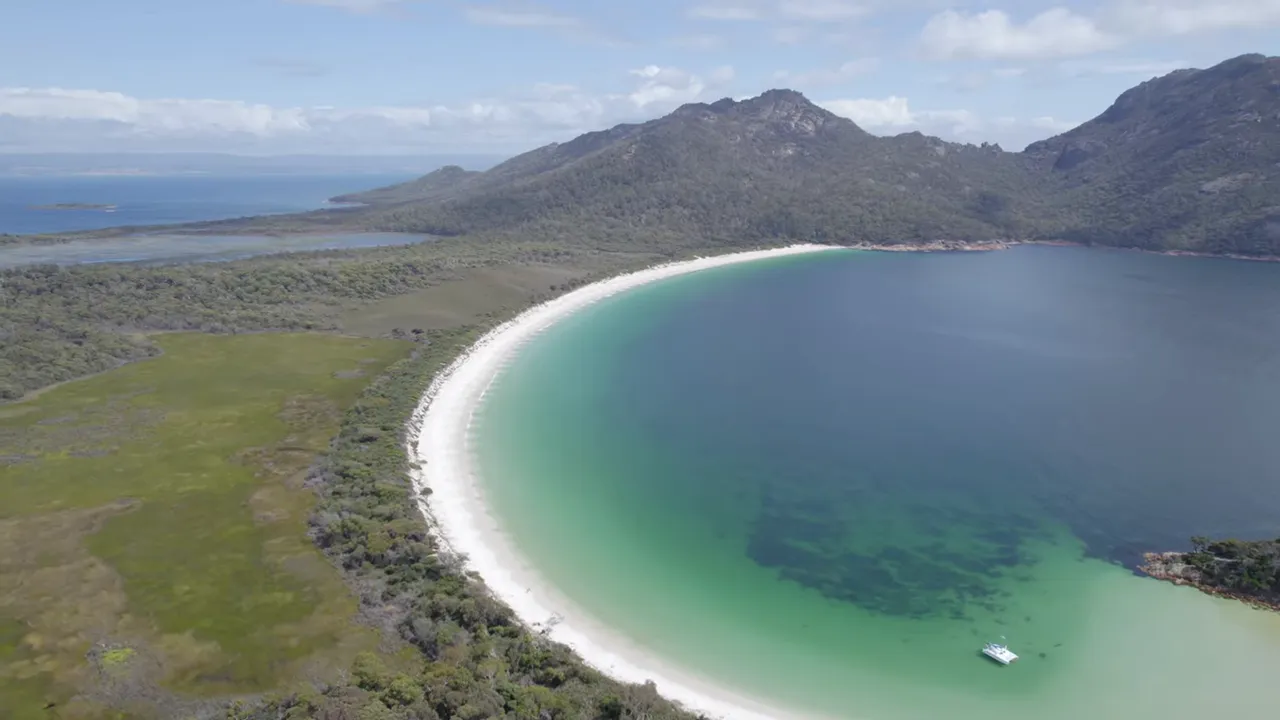
These areas deliver the best of the australia summer season: long daylight, warm but not extreme temperatures, outdoor activities, and abundant wildlife viewing opportunities. They are also well suited for families and travelers who want to mix beaches, food, and nature without the hazards of monsoon or desert heat.

Tasmania: a perfect australia summer season island escape (7 to 10 days)
Tasmania often feels like a different country within Australia. During the australia summer season its temperatures sit in the 20s Celsius, trails are dry, and days are long. Here is a practical 7–10 day outline that maximizes hiking, wildlife, and relaxed coastal time.
- Days 1–3: Hobart and Bruny Island Base in Hobart. Explore Salamanca Market on a Saturday, climb or drive up Mount Wellington for panoramic views, and take a day trip to Bruny Island to taste local produce and spot wildlife.
- Days 4–5: Freycinet National Park and Wineglass Bay Drive to the east coast and stay near Freycinet. Hike the Wineglass Bay lookout trail, kayak the pristine bays, and relax on near-empty beaches.
- Day 6: Bay of Fires or small coastal stops Continue north along scenic coastal towns. The orange granite rocks and white sands of the Bay of Fires are iconic summer sights.
- Days 7–8: Launceston, Stanley and the north Visit Cataract Gorge near Launceston, then head to Stanley for the remarkable Nut (a volcanic plug), and after dusk try a guided penguin or wildlife walk.
- Days 9–10: Cradle Mountain Finish in Cradle Mountain-Lake St Clair National Park. Take the walk around Dove Lake and soak in Tasmania’s alpine wilderness before heading home.
The australia summer season is the perfect window for these routes because trails are accessible and daylight extends late into the evening, giving you more time outdoors. Book accommodations early for popular spots like Freycinet and Cradle Mountain.
Southern Australia coast and Melbourne: 14 days for food, wildlife, and coastal drama
For a classic australian summer season road trip, combine city culture with coastal drives and island wildlife. This 14-day plan balances time in cities, wine regions and off-the-beaten-path islands.
- Days 1–2: Sydney Start with two nights to enjoy the harbour, beaches, and maybe a tour behind the scenes of the Opera House. Summer can bring heat waves, but coastal breezes usually help.
- Days 3–4: Adelaide and Barossa Valley Fly to Adelaide and use it as a base. Spend a day tasting in the Barossa Valley with alfresco lunch and vineyard strolls.
- Days 5–7: Kangaroo Island Short flight to Kingscote, hire a car and stay at least three nights. Expect up-close encounters with kangaroos, koalas, sea lions at Seal Bay, Remarkable Rocks and Flinders Chase National Park.
- Days 8–10: Coastal drive towards Victoria Return to the mainland and head southeast across coastal towns like Robe and Mount Gambier, taking scenic stops and enjoying fresh seafood.
- Days 11–12: Great Ocean Road Drive the Great Ocean Road, overnight in Port Fairy or Apollo Bay, and visit the Twelve Apostles at golden hour.
- Days 13–14: Melbourne Finish with two nights in Melbourne for coffee culture, galleries and great restaurants before flying home.
This route takes full advantage of the australia summer season: beach weather, alfresco wine tastings, and calm seas for wildlife spotting. Many of the best moments happen outdoors, so bring light layers and plan for long daylight evenings.
Essential planning and safety tips for the australia summer season
Traveling in the australia summer season is rewarding, but it requires preparation. These are the non-negotiables to keep your trip safe and smooth.
- Bushfire awareness: Summer is bushfire season in many parts of Australia. Fires can start quickly and conditions can change. Check local fire warnings, travel alerts, and emergency services updates for the areas you plan to visit.
- Book early: December and January include school holidays and public holidays. Book flights, accommodations and popular tours at least six months ahead, especially for Tasmania, Kangaroo Island and popular coastal drives.
- Sun protection: Australia has very high UV levels. Sunscreen, broad-brim hats, UV sunglasses, and sun-protective clothing are essential. Reapply sunscreen regularly and avoid prolonged midday sun where possible.
- Heat safety in the Outback: If you must travel inland, plan short daylight activities, carry lots of water, tell someone your itinerary, and avoid solo hikes. Temperatures in the australia summer season can spike and health risks increase quickly.
- Insect repellent: In northern and some coastal regions, mosquitoes and flies can be a nuisance during the australia summer season. Pack a good repellent and consider headnets for more remote bush camping.
- Travel insurance and medical coverage: Because conditions like bushfires or cyclones can lead to cancellations and emergencies, comprehensive travel insurance that covers weather-related disruptions is highly recommended.
- Driving and roads: If your route includes long coastal drives or remote tracks, ensure your rental vehicle is suitable, check road conditions, and carry a physical map or offline navigation. Some remote tracks are closed in wet season areas even in the australia summer season due to floods.
Packing checklist for the australia summer season
Keep your bag lean but prepared. Here’s what to pack for a smooth australia summer season trip:
- Lightweight layers for warm days and cooler evenings
- High SPF sunscreen and lip balm
- Wide-brim hat and UV sunglasses
- Reusable water bottle and electrolytes
- Insect repellent (DEET or PMD based)
- Good walking shoes for hikes and coastal walks
- Light rain shell — summer storms can be sudden even in southern regions
- Portable phone charger and local SIM or eSIM for navigation and alerts
When to visit places you should avoid in the australia summer season
Not being able to visit somewhere during the australia summer season does not mean you should cross it off forever. Many of the regions you avoid in summer have brilliant seasons of their own:
- Top End and Kimberley — Best in the dry season, roughly May to September, when waterfalls flow and roads are passable.
- Outback and Red Centre — Cooler winter months (April to September) offer mild days perfect for hikes and driving.
- Reef regions — Cooler, clearer months outside the wet season give much better visibility for snorkeling and diving.
Timing is everything. If you plan seasons strategically, you can craft a year-round itinerary to see the very best of the country without fighting storms or extreme heat.
Final notes: make the australia summer season work for you
The australia summer season can be magical if you pick the right places. For warm, dry, activity-filled days head south — Tasmania, the southern coastlines, Kangaroo Island and the southwest of Western Australia will reward you with beaches, wildlife and outdoor freedom. For tropical adventures and the Outback, shift your travel window to the dry months.
Start booking early, respect the environment and local warnings, and bring sun and heat-smart gear. With a little planning you can turn the australia summer season into one of your best travel memories — long evenings, great seafood and stunning coastal scenery await.
Which region appeals most to you for the australia summer season?
Think about whether you want alpine trails, coastal drives, wine tasting or wildlife encounters. Choose the region that matches your pace and style, then plan around the climate rather than the calendar alone.
Plan smart: match the place to the season and you will enjoy every minute.
Safe travels and enjoy the wide variety that the australia summer season has to offer.
Additional Travel Resources
Australia Youtube Playlist here
Watch our NZ Travel Planning Playlist on YouTube here
Review our NZ Sample Travel Itineraries on YouTube here
Check out our NZ Road Trips Playlist for route inspiration here
Other Australia travel blogs:
Best time to Visit Australia
Leave a Reply